What is a Liver
Your liver is your body’s largest solid organ. On average, it weighs around 3 pounds in adulthood and is roughly the size of a football. This organ is vital to the body’s metabolic functions and immune system. Without a functioning liver, a person cannot survive.
The liver’s position is mostly in the right upper portion of the stomach, just below the diaphragm. A portion of the liver goes into the left upper abdomen as well.
What is the Structure of the Liver
The liver is a half-moon shaped organ that’s fairly straight on the bottom. It’s tilted slightly in the body’s cavity, with the left portion above the stomach and the right portion above the first part of the small intestine.
The liver has two main portions, or lobes. Each lobe is further divided into eight segments. Each segment has an estimated 1,000 lobules, or small lobes. Each of these lobules has a small tube (duct) that flows toward the common hepatic duct.
Compared to the rest of the body, the liver has a significant amount of blood flowing through it — an estimated 13 percent of the body’s blood is in the liver at any given time.
What is the Purpose of the Liver?
The liver’s major functions are in the metabolic processes of the body. These include:
breaking down or converting substances
extracting energy
making toxins less harmful to the body and removing them from the bloodstream
The liver does this by receiving blood with nutrients from the digestive organs via a vein known as the portal vein.
The many cells of the liver, known as hepatocytes, accept and filter this blood. They act as little sorting centers, determining:
which nutrients should be processed
what should be stored
what should be eliminated via the stool
what should go back to the blood
The liver stores vitamins as well as minerals such as copper and iron, releasing them if the body needs them. The liver also helps to break down fats in a person’s diet. It either stores fats or releases them as energy.
It also manufactures an estimated 800 to 1,000 milliliters of bile a day. This bile is transported via a bile duct to the small intestine. The small intestine uses the bile to further break down fats. Any extra bile is stored in the gallbladder.
The liver breaks down proteins as well. The by-product of this process is called ammonia, which can be toxic to the body in large amounts. The liver turns the toxic ammonia into a substance called urea. The liver releases this into the blood where the kidneys excrete it via the urine.
The liver also breaks down alcohol in the blood as well as many medications you take.
As if these functions weren’t enough, the liver also plays major roles in the following:
creating immune system factors that can fight against infection
creating proteins responsible for blood clotting
breaking down old and damaged red blood cells
storing extra blood sugar as glycogen
When taking these factors into consideration, it’s easy to see how important the liver is to a person’s health.
How does the Liver Regenerate?
The liver is truly an amazing organ in that it has the capacity to regenerate. This means that after an injury or surgery to remove tissue, the liver tissue can grow back to a certain extent. The liver starts growing back by having the existing cells enlarge. Then, new liver cells start to multiply.
Within a week after removing two-thirds of the liver, the liver can return to the same weight it was before surgery. The liver has been known to regenerate completely after as many as 12 partial liver removal surgeries.
What Diseases can Develop in the Liver
There are many types of diseases that can affect the liver and its functions. Some have successful treatments while others do not. Examples of common conditions that affect the liver include:
Autoimmune hepatitis
This condition causes the body’s immune system to attack itself and destroy healthy liver tissue. Autoimmune hepatitis can lead to cirrhosis and other liver damage.
Biliary atresia
Biliary atresia is a condition that adversely affects a person’s bile ducts and bile flow when they’re an infant. If left untreated, the condition can cause liver scarring and affect liver tissue. Fortunately, there are treatments available for the condition.
Cirrhosis
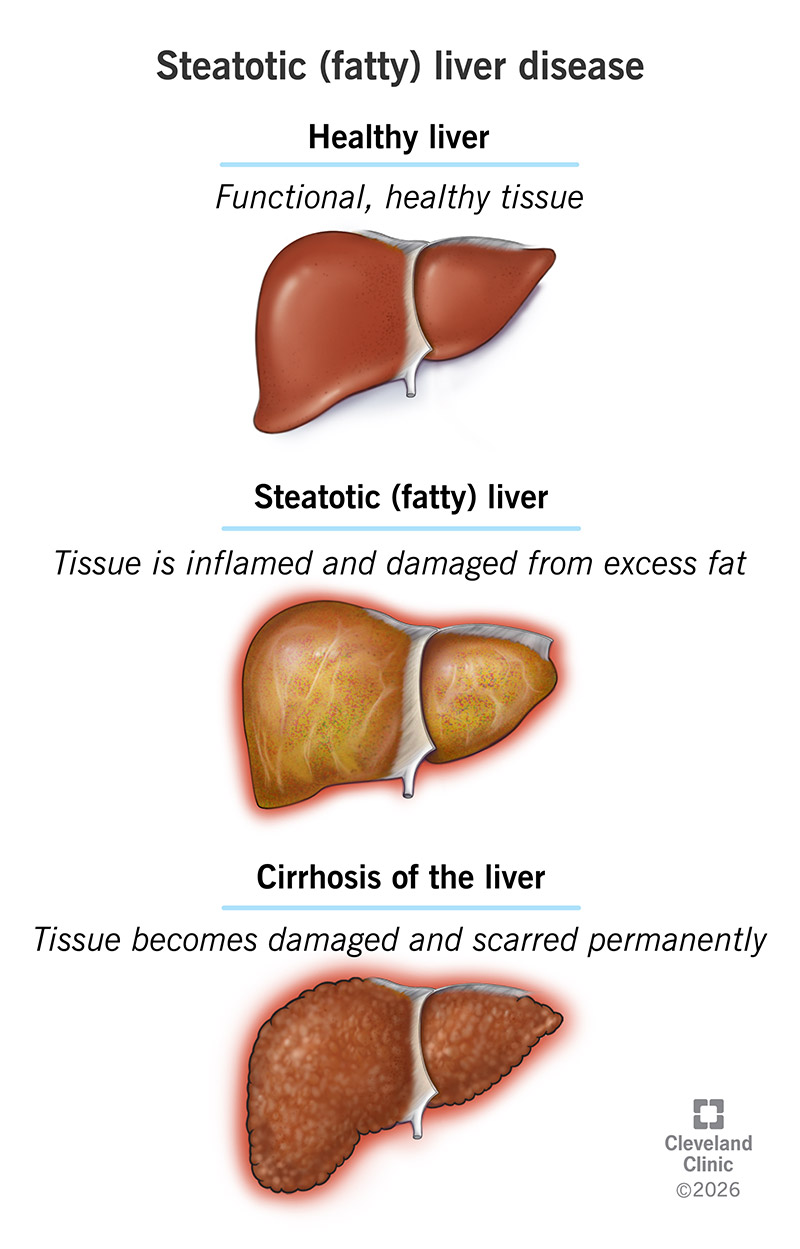
Cirrhosis is a condition where scar tissue replaces healthy liver tissue. A number of conditions can cause cirrhosis. These include long-term excessive alcohol use, chronic hepatitis, or rare genetic disorders, such as Wilson’s disease.
Hemochromatosis
This condition causes an excess of iron to build up in the body. Too much iron can damage the liver.
Hepatitis A
Viral hepatitis refers to a viral infection that causes liver inflammation. The hepatitis types have different letters, including A, B, C, D, and E. Each has different causes and severity.
Hepatitis A is more common in developing countries that lack clean drinking water and have poor sanitation systems. Most people can recover from hepatitis A without liver failure or long-term complications.
Hepatitis B
Hepatitis B can cause a short- or long-term infection. In U.S. adults, the disease is most commonly spread through sexual contact. However, a person can also get it through sharing needles or accidentally injecting themselves with a contaminated needle. The condition can cause serious complications, including liver failure and cancer. There’s a vaccination against the disease to prevent it.
Hepatitis C
Hepatitis C can be an acute or chronic infection. It’s most commonly spread by coming in contact with blood containing the hepatitis C virus, such as through sharing unclean needles to inject drugs or apply tattoos. Less commonly, unprotected sexual contact with an infected person can transmit the infection, too. This condition can cause inflammation that can lead to cirrhosis, liver failure, and liver cancer.
Nonalcoholic fatty liver disease and NASH
These are conditions where fat builds up in the liver. An excess of fat can damage the liver, causing inflammation. Nonalcoholic steatohepatitis (NASH) is a form of nonalcoholic fatty liver disease that causes scarring or fibrosis. People who are obese and have conditions related to obesity, such as type 2 diabetes, are more likely to have this disease.
Symptoms of Liver Conditions
There are more than 100 types of liver diseases. Many conditions begin as flu-like symptoms and progress to more severe signs of liver damage, such as jaundice and dark-colored urine.
Other symptoms of liver problems include:
fatigue
loss of appetite
nausea
vomiting
joint pain
stomach discomfort or pain
nose bleeds
abnormal blood vessels on the skin (spider angiomas)
itchy skin
weakness
a low sex drive
More serious symptoms include:
yellowing of the skin and eyes (jaundice)
confusion and difficulty thinking clearly
abdominal swelling (ascites)
swelling of the legs (edema)
impotence
gynecomastia (when males start to develop breast tissue)
enlarged liver (hepatomegaly)
dark urine
pale-colored stools
If you’re experiencing any of the symptoms mentioned above, see your doctor immediately.
How to Keep Your Liver Healthy
These lifestyle changes can help you keep your liver healthy:
get vaccinated for hepatitis A and hepatitis B
practice safe sex with a condom
don’t share needles or personal care items (razors, toothbrushes, etc.)
exercise regularly
talk to your doctor about any medications you’re taking as they may affect your liver
limit the amount of alcohol you consume since it takes a lot for your liver to breakdown the toxins from alcohol
maintain a healthy diet with fiber and fatty fishes
Gallbladder
The gallbladder is a pear-shaped, hollow structure located under the liver and on the right side of the abdomen. Its primary function is to store and concentrate bile, a yellow-brown digestive enzyme produced by the liver. The gallbladder is part of the biliary tract.
The gallbladder serves as a reservoir for bile while it’s not being used for digestion. The gallbladder’s absorbent lining concentrates the stored bile. When food enters the small intestine, a hormone called cholecystokinin is released, signaling the gallbladder to contract and secrete bile into the small intestine through the common bile duct.
The bile helps the digestive process by breaking up fats. It also drains waste products from the liver into the duodenum, a part of the small intestine.
An excess of cholesterol, bilirubin, or bile salts can cause gallstones to form. Gallstones are generally small, hard deposits inside the gallbladder that are formed when stored bile crystallizes. A person with gallstones will rarely feel any symptoms until the gallstones reach a certain size, or if the gallstone obstructs the bile ducts. Surgical removal of the gallbladder (cholecystectomy) is the most common way to treat gallstones.